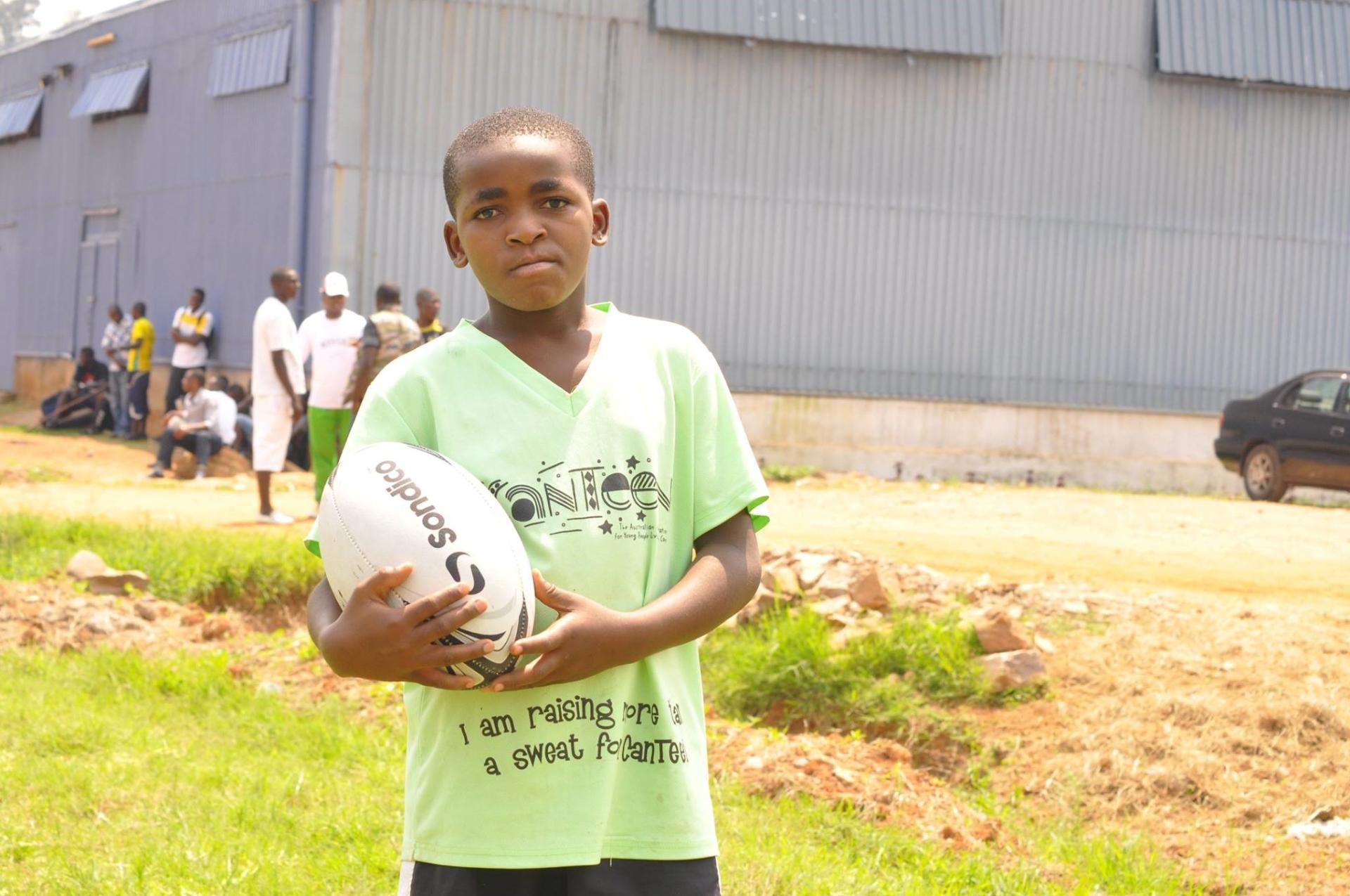
From a 10-year-old playing tag rugby… to representing East Africa. This is what a pathway looks like.
Shalom Kumeshanukwayo started like many young players in Rwanda. A simple field, a tag rugby session, and a lot of energy nothing extraordinary at first glance. But over time, something became clear. He kept showing up, he kept improving, and he kept growing beyond the game.
At the time, there were no perfect systems in place. His progress lived in training attendance sheets, coach observations, scattered notes, and conversations after sessions. It was not structured, but it was enough to see a pattern. That pattern showed that Shalom was ready for more, and step by step, that journey was supported.
Shalom Kumeshanukwayo started like many young players in Rwanda. A simple field, a tag rugby session, and a lot of energy nothing extraordinary at first glance. But over time, something became clear. He kept showing up, he kept improving, and he kept growing beyond the game.
At the time, there were no perfect systems in place. His progress lived in training attendance sheets, coach observations, scattered notes, and conversations after sessions. It was not structured, but it was enough to see a pattern. That pattern showed that Shalom was ready for more, and step by step, that journey was supported.
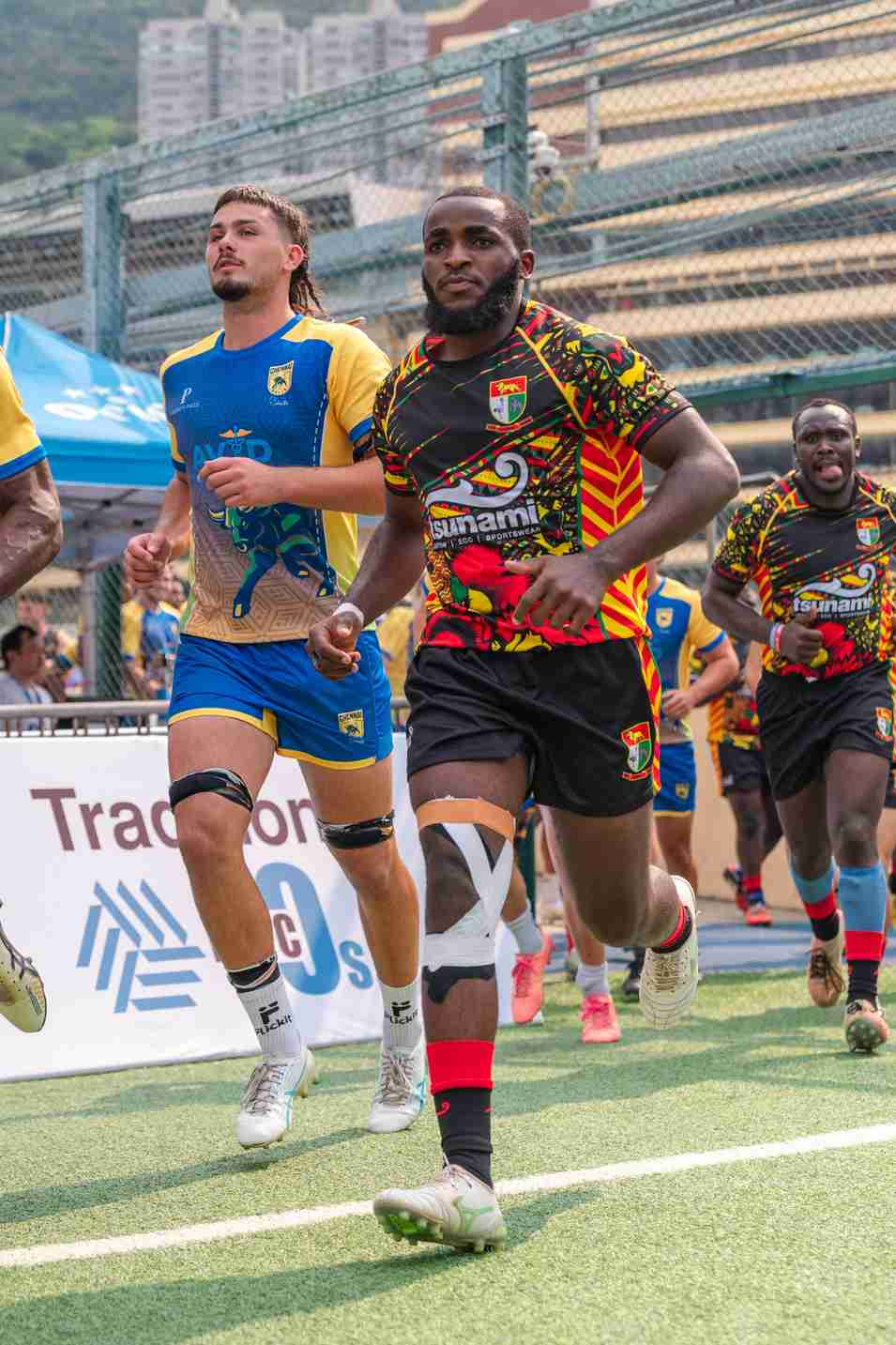
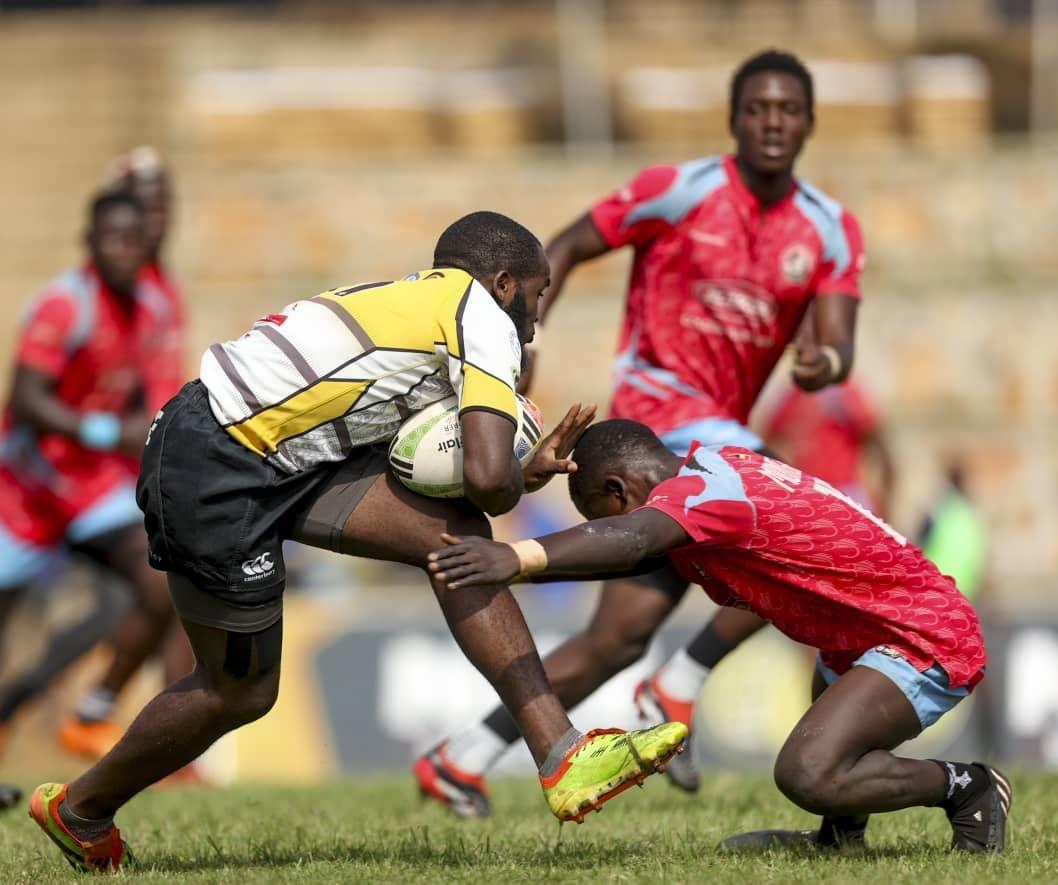
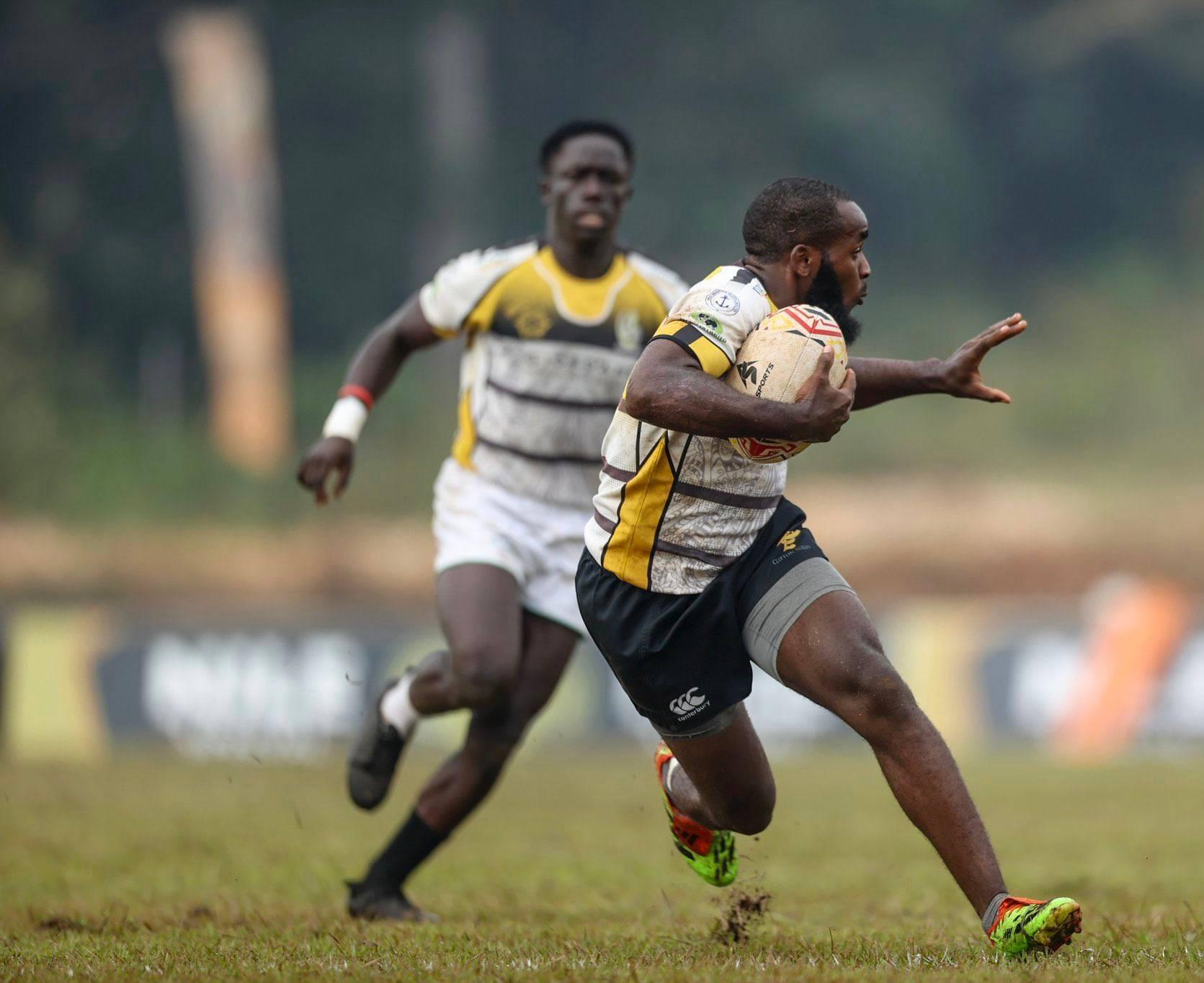
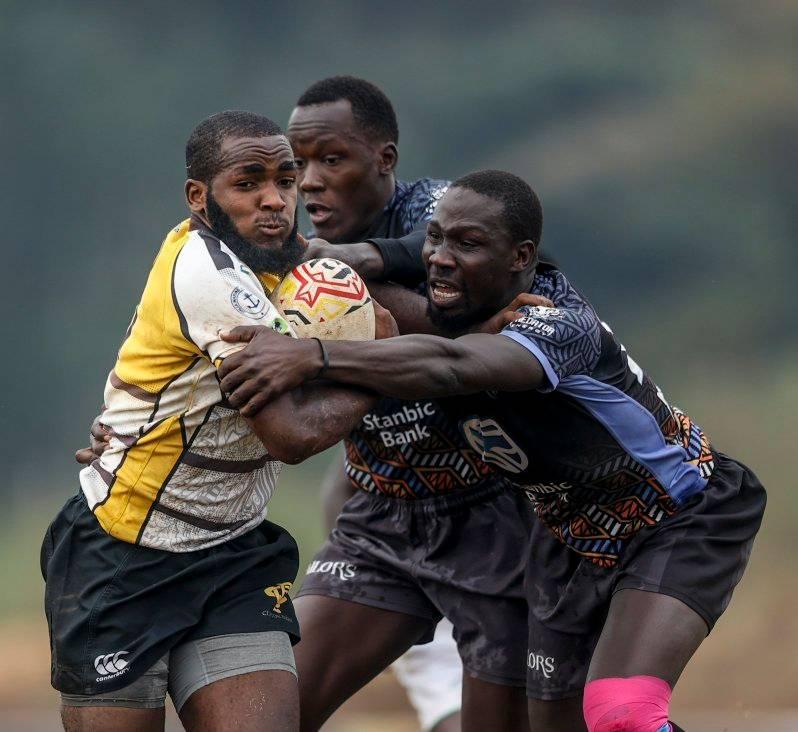
Today, he is a player, a coach, a safeguarding officer, and a leader in his community. His pathway has also extended beyond Rwanda, representing Jinja Hippos in the Uganda 7s Series and being selected as the only Rwandan in an East African squad for the Hong Kong 10s.
This is not a story about one player. It is a story about what becomes possible when a journey is visible. Even with fragmented data, it was possible to identify consistency, support at the right moments, and guide development intentionally.
Now imagine doing this by design. Africa has the youngest population in the world, with over 60% under 25. Millions of young people are already in schools and community programs. The missing piece is not talent, but structured pathways.
This is not a story about one player. It is a story about what becomes possible when a journey is visible. Even with fragmented data, it was possible to identify consistency, support at the right moments, and guide development intentionally.
Now imagine doing this by design. Africa has the youngest population in the world, with over 60% under 25. Millions of young people are already in schools and community programs. The missing piece is not talent, but structured pathways.
This is why work is now being built with intention. Using simple digital tools, the focus is on tracking player journeys consistently, supporting coaches with better insights, connecting education, wellbeing, and sport, and creating visibility for partners and opportunities.
Because when development is visible, it becomes scalable. And when it becomes scalable, it becomes investable.
Shalom’s journey shows what is possible. The next step is to make it repeatable for hundreds, then thousands of young people across Rwanda and beyond.
That is the work.
Because when development is visible, it becomes scalable. And when it becomes scalable, it becomes investable.
Shalom’s journey shows what is possible. The next step is to make it repeatable for hundreds, then thousands of young people across Rwanda and beyond.
That is the work.